
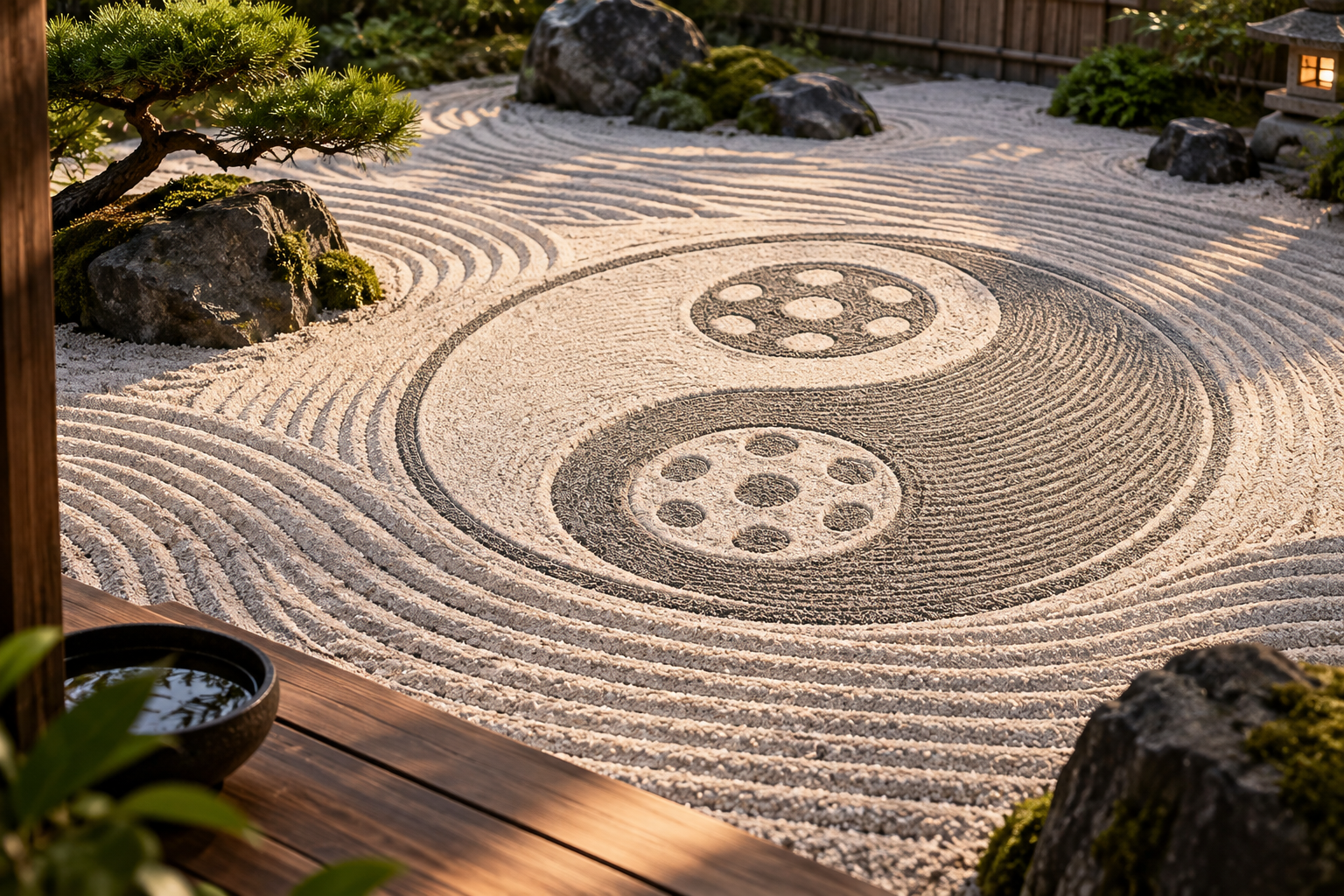
Tai Chi practitioners continually move with their opponents until they recognize an imbalance—and then they help their opponent turn that imbalance into a mistake. They do this by keeping themselves balanced, reading and feeling what their opponents are doing, and staying one step ahead.
Tai Chi Pickleball takes this same philosophy and applies it to the game of pickleball. It's not about learning a different way to hit the ball. It's about learning a different way to approach the game. Instead of fighting the game, we learn to work with what the game gives us.
We don't always need to hit harder, move faster, or overpower our opponents. Sometimes the most effective shot is the one that gives our opponents another opportunity to make a mistake. The objective is simple: Stay balanced, recognize imbalance, and act when the opportunity presents itself.
Absorb and Redirect
One of the fundamental principles of Tai Chi Pickleball is learning to absorb and redirect our opponent's aggression rather than meeting force with force.
When an opponent hits an aggressive shot, our first instinct may be to hit back just as aggressively. But that isn't always the best decision. If we're stretched out, moving backward, or struggling to maintain our balance, trying to attack can create an even worse situation. Instead, we absorb the pressure and redirect the ball with a controlled shot that gives us time to recover.
A hard shot doesn't always require a hard response. Sometimes a soft block into the kitchen is enough to neutralize an opponent's attack. Sometimes a controlled return allows us to regain our position and prepare for the next shot. We're not surrendering the point. We're keeping ourselves in the rally until the situation changes in our favor.
The key is recognizing when we should defend, when we should remain neutral, and when we have an opportunity to attack.
Recognizing Balance and Imbalance
Balance is more than keeping our feet underneath us. It means being in a position where we have options. When we're balanced, we can move in different directions, select our shots, and execute them with control. When we're off-balance, our options become limited, and we're often forced into simply getting the ball back.
Our opponents face the same challenges. Learning to recognize these situations is an important part of developing Situational Awareness. Before our opponents hit the ball, we begin looking for clues about what they might do and whether they're in a position to execute their intended shot.
We look for:
- Balance: Are they stable, or are they struggling to stay upright?
- Position: Where are they standing, and where are they moving?
- Relationship to the ball: Are they comfortable, reaching, or being pulled out of position?
- Swing: What direction, speed, and paddle angle are they using?
- Recovery: Where will they be after completing their shot?
Every movement provides information.
An opponent reaching outside their normal hitting zone may have fewer shot options. Someone moving backward may have difficulty controlling an aggressive return. An opponent cross-stepping to reach a ball may need additional time to recover. These clues don't guarantee what will happen next, but they help us recognize the possibilities before the ball arrives.
Probe Before You Attack
Tai Chi Pickleball encourages us to be patient, but patience doesn't mean standing around waiting for something to happen. We actively look for opportunities to create situations that make our opponents uncomfortable. This is the principle of Probe Before You Attack.
When we're balanced and our opponents are balanced, there may be little advantage in attacking. An aggressive shot into a well-positioned opponent can easily become an opportunity for them. Instead, we probe.
We might move the ball toward an opponent's feet, change its direction, or place it where they must adjust their position. We're not necessarily trying to win the rally with that shot. We're looking to see how they respond. Do they move comfortably? Do they reach? Do they cross-step? Do they recover quickly?
Their response tells us something about their ability to handle the situation. If they remain balanced, we continue playing and looking for another opportunity. If they become unstable, we may have created the opening we've been waiting for. The probe creates the question. Our opponent's response provides the answer.
Knowing When to Attack
One of the most important lessons in Tai Chi Pickleball is recognizing that not every ball is an attacking opportunity. We want to attack from a stable position when our opponents are vulnerable.
If we're off-balance, our priority is to recover. We remain calm and use neutral shots until we're back in a position where we have choices. When we're stable, we can begin probing again. If our opponent reaches awkwardly, loses balance, or leaves an opening, we recognize the opportunity and act.
But recognizing an opportunity is only part of the process. We still need to execute a controlled shot. An attack doesn't have to be the hardest shot we can hit. It needs to be the appropriate shot for the situation. We're playing the percentages, making decisions based on what we observe rather than what we hope will happen.
Expect the Ball to Come Back
There is another important principle that we must remember. An opponent in trouble is not necessarily an opponent who has lost the rally.
We've all seen it happen. An opponent stretches desperately for a ball, makes an awkward, off-balanced swing, and somehow sends it back with an impossible angle, unexpected spin, or strange bounce. The Hail Mary shot.
We may have done everything correctly. We recognized their imbalance, attacked from a stable position, and placed the ball where they should have had difficulty returning it. But the ball came back. An opponent making a bad shot doesn't mean the returning ball will be easy.
When we recognize that our opponent is in trouble, we cannot relax and assume the point is over. Instead of thinking, "My opponent is in trouble, so I can relax," we need to think, "My opponent is in trouble. I have to be more attentive." We execute our shot, observe what happens, and prepare for the next ball. The rally isn't over until it's over.
Learning to Play the Situation
Tai Chi Pickleball doesn't eliminate uncertainty. It gives us a framework for making decisions without guessing. We observe our opponents, recognize their intentions, anticipate what may happen, and act based on the situation. Then we observe again.
With practice, this becomes a continuous process rather than a series of separate decisions. We begin to recognize when we should absorb pressure, when we can redirect it, when to probe, and when an opportunity calls for an attack.
Some advantages we gain from learning Tai Chi Pickleball are developing Situational Awareness, improving our ability to maintain and recognize balance, becoming more patient, and learning to select shots that fit the situation. Most importantly, we begin to understand that playing well isn't always about hitting better shots. It's also about making better decisions.
Tai Chi Pickleball isn't about forcing the game to go our way. It's about staying balanced, reading what the game is giving us, and being ready when the opportunity appears.
Play the situation.